

Postpartum Mood Support: How Acupuncture Fits Alongside Therapy and Medication
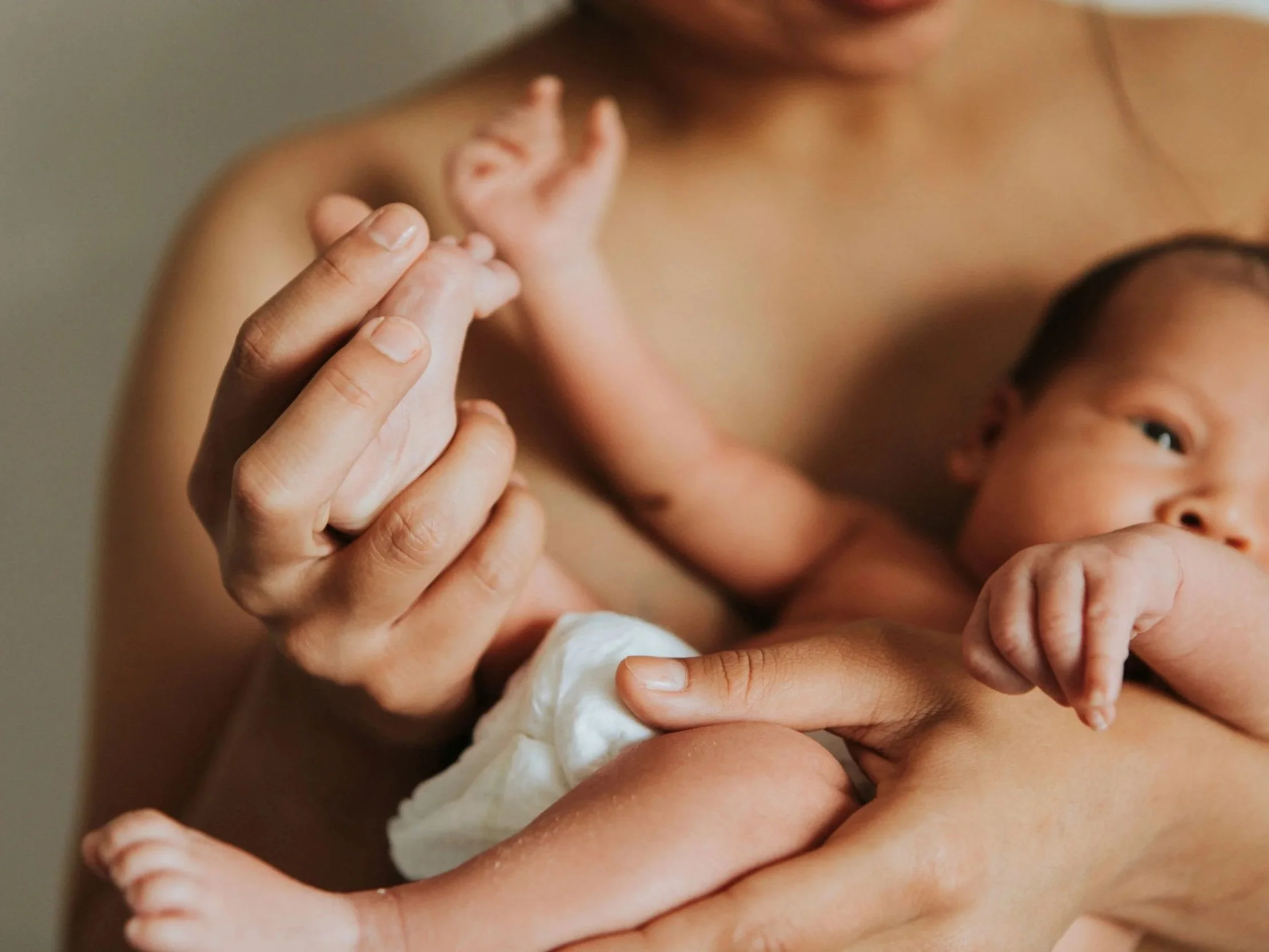
Gentle Acupuncture in Petaluma to Support Postpartum Depression and Anxiety
If the postpartum period has felt heavier, more anxious, or more disconnected than you expected, you are far from alone, and you deserve support that meets you from more than one direction. Our Petaluma acupuncturists share how acupuncture can support you as a valuable part of a fuller postpartum mental health care plan.
Postpartum Mood Changes Are Common, and Treatable
Postpartum depression and anxiety affect a substantial share of birthing parents, and symptoms can range from persistent low mood and tearfulness to intrusive, anxious thoughts, rage, or a sense of numbness and disconnection from the baby or from yourself. These are medical conditions with real physiological drivers, a dramatic hormonal shift after delivery, sleep deprivation, and the enormous physical recovery from birth, all layered under the identity shift of new parenthood.
Why We Say "Alongside," Not "Instead Of"
For moderate to severe postpartum depression or anxiety, therapy and, when appropriate, medication are the most evidence-supported treatments, and we actively encourage patients to pursue both if they're struggling. Acupuncture works beautifully as a complement, supporting your nervous system, sleep, and physical recovery in a way that can make the rest of your care plan more sustainable, not carrying the weight on its own. Many of our patients find their acupuncture treatments an invaluable part of their postpartum recovery.
How Acupuncture May Help
From a biomedical lens, acupuncture has been studied for its effects on regulating cortisol, supporting parasympathetic (rest-and-digest) nervous system activity, and improving sleep quality, all of which are directly relevant and meaningful to postpartum recovery. From a Chinese medicine lens, the postpartum period is understood as a time of significant Blood and Qi depletion following birth, which can leave the Shen (mind) unanchored and prone to anxiety, low mood, or a "wired but exhausted" state. Acupuncture points focus on replenishing Blood and Qi and calming the Shen, alongside points selected for your specific presentation.
What Postpartum Healing Sessions Focus On
Supporting physical recovery from birth (which is deeply connected to how you're coping emotionally)
Improving sleep quality where possible, even in fragmented postpartum sleep
Calming nervous system activation and supporting a felt sense of safety
A consistent, unhurried space to be checked in on as a whole person, not just "the mom"
What the Acupuncture Research Shows
Research specifically on acupuncture for postpartum depression is still limited. A sham-controlled pilot trial found that both electroacupuncture and sham acupuncture led to significant improvement in depression scores, with no significant difference between the two groups. It's worth understanding why that matters less than it might seem: sham acupuncture still typically involves needling, often at nearby or non-indicated points, and a growing body of acupuncture research suggests sham treatment isn't a truly inert placebo. A true double blind, placebo-controlled design isn't really possible with a physical intervention like acupuncture, so a "no difference from sham" finding often means both groups experienced some active effect, not that acupuncture did nothing.
A few larger studies on acupuncture for mood conditions more broadly (outside the postpartum period specifically) give a fuller picture. A 2024 meta-analysis in Frontiers in Neuroscience covering 1,668 patients found acupuncture significantly outperformed standalone medication on the Hamilton Depression Rating Scale, with fewer side effects. Similarly, a 2025 systematic review in the Annals of General Psychiatry, drawing on 19 to 20 studies, found acupuncture alone and acupuncture combined with medication both outperformed medication alone for generalized anxiety. We love to see these comparisons because gentle acupuncture during this time shows meaningful results. This shows acupuncture as a valuable complement to therapy for new moms/parents and medication for postpartum anxiety and depression.
Frequently Asked Questions
Is acupuncture and Chinese medicine safe while breastfeeding or chestfeeding?
Yes. Acupuncture doesn't negatively affect milk supply or transfer and is commonly used to support lactation challenges like insufficient lactation or mastitis alongside mood care.
How is acupuncture different from just resting or self-care?
Acupuncture works by regulating the nervous system's stress response and can support physiological recovery in ways that rest alone doesn't always reach, especially when caring for your newborn is waking you up throughout the night.
Can I do acupuncture alongside antidepressant medication?
Yes! Acupuncture is a gentle, natural medicine solution that is commonly used alongside medication because of its lack of side effects, and we're glad to coordinate care with your prescribing Sonoma County providers.
When should I seek help beyond acupuncture?
If you're experiencing persistent sadness, disconnection, intrusive thoughts, or any thoughts of harming yourself or your baby, please contact your OB, midwife, or a perinatal mental health provider right away; these symptoms deserve prompt, dedicated care beyond what any single modality can offer alone.
Reaching Out Is a Sign of Strength, Not Weakness
If you're navigating postpartum mood changes, please also connect with your OB, midwife, or a perinatal mental health therapist; we're glad to work alongside them as part of your care team. And we have a large referral network of Petaluma therapists and providers. We support new parents through the fourth trimester at Nido Wellness in Petaluma and throughout Sonoma County.
If you are in crisis or having thoughts of harming yourself, please contact the 988 Suicide & Crisis Lifeline by calling or texting 988, available 24/7.